


11 Feb SONA 2022 – SAICE can assist with capacity and education to ensure sustainable solutions
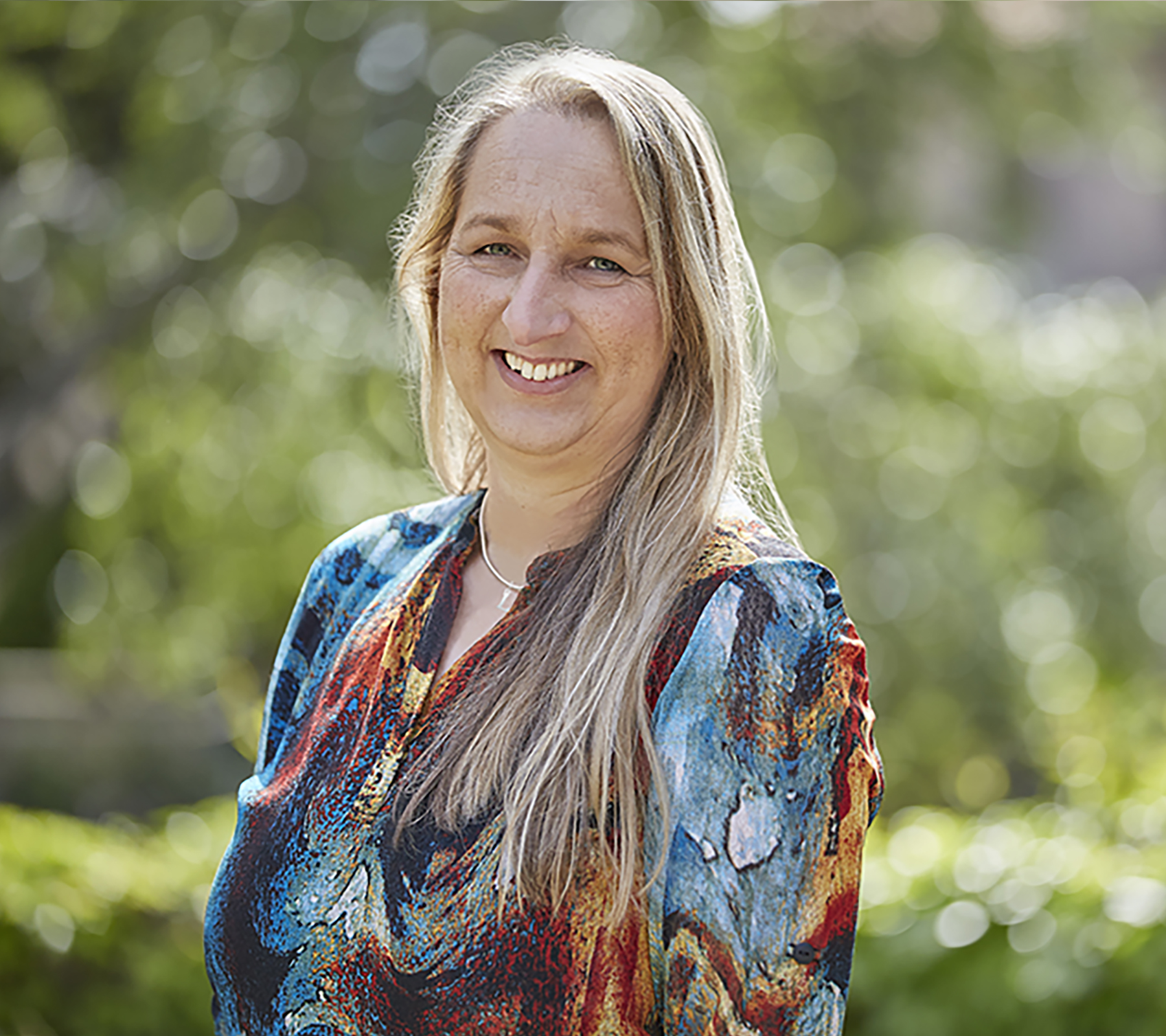
11 February 2022: On the back of President Ramaphosa’s 2022 State of the Nation address Prof Marianne Vanderschuren, President of the South African Institution of Civil Engineering (SAICE), re-iterated the organisation’s call on government to continue to engage the available resources, entities and professionals in mapping out the far reaching plans that he detailed in his address to the nation stating: “SAICE, with our 15 000 members has the capacity to tap into the knowledge, skills and wisdom to move towards a sustainable, resilient and economically viable future”.
“As a learned society SAICE is pleased that government has already proactively approached us to support them with the implementation of some of the projects that have been put forward, and we will continue to enhance and take that engagement forward,” states Vishal Lutchman, CEO of SAICE.
He previously indicated that SAICE’s strong network – supported by their platform SAICE Connect – means that the institution could assist the state in recruiting technocrats who are primed to guide infrastructure portfolios to success. “We have made great strides in partnering with the public and private sectors – we have empowered engineers to form connections between entities and this can be leveraged by our government,” he says.
With reference to the use of block paving for rural roads, Vanderschuren cautioned that although there are advantages to using these materials, the risk of floods, as mentioned by the President, could easily result in a road washing away. “The theft of materials, as we see in the rail sector, among others, could also become an issue”. Furthermore, the lack of maintenance that we see around the country, could result in unusable infrastructure, soon after implementation.
SAICE was pleased to hear the President speak about Climate Change and the Paris Agreement. During the last COP26, funding was awarded to South Africa that has the potential to change the industry. “However, we must ask what happened between 2015, when South Africa signed the Paris agreement, and now. The development of South Africa’s renewable energy industry should already have advanced to production in much higher volumes,” questioned Vanderschuren.
She added: “The President is correct that electric vehicles and the development of a green hydrogen pipeline are on the agendas of many countries around the globe. These are certainly options for the future. The question, however arises, have we properly investigated what this means in the South African context with the obvious challenge of limited electricity supply? A further question is that if we are going to invest in both, would we then need two types of energy distributions systems and at what cost?”
The President articulated the need for capacity building and referred to the scarce skills list. SAICE welcomes the fact that civil engineering features prominently. However, many young South African engineers are leaving the country, due to a lack of work. How quickly will the turnaround be, through the investments mentioned?
In fact, Lutchman reiterated that employment remains a critical priority for South Africa and for the civile engineering sector. “It is estimated that up to 20 civil engineers leave our country every month in search of greener pastures where there is a more reliable stream of projects. We cannot afford this draining of expertise.”
A major concern was the minimal reference to maintenance. With a challenged infrastructure, this should be at the top of the agenda says Vanderschuren. “The President mentioned that this requires capacity in municipalities. To date, the lack of capacity has paralysed many municipalities, leaving inhabitants without services. While government builds capacity, we need interim measures to ensure that civil infrastructure investment and maintenance is monitored/audited. How about identifying infrastructure auditors that assist the municipalities, while they build capacity?”
SAICE would also like to see plans that identify building codes and standards to minimise the need for maintenance. “Instead of infrastructure failing three months after completion, why do we not build to last? We need to work on standardisation for durable infrastructure.”
She added that the aforementioned clearly indicates that there are still many questions that need answers. “If the President commits to the capacity building and the commitment to education suggested, then scenario planning will need to take place unpacking what different future scenarios could look like, and what the advantages and areas of concern are on the journey ahead. This is the type of evidence-based planning that SAICE expects and has the capacity to assist government with.”
Contact details
Nthabeleng Lentsoane
SAICE Head of Marketing & PR